Importance of Fluorescence Spectrum Analyzers
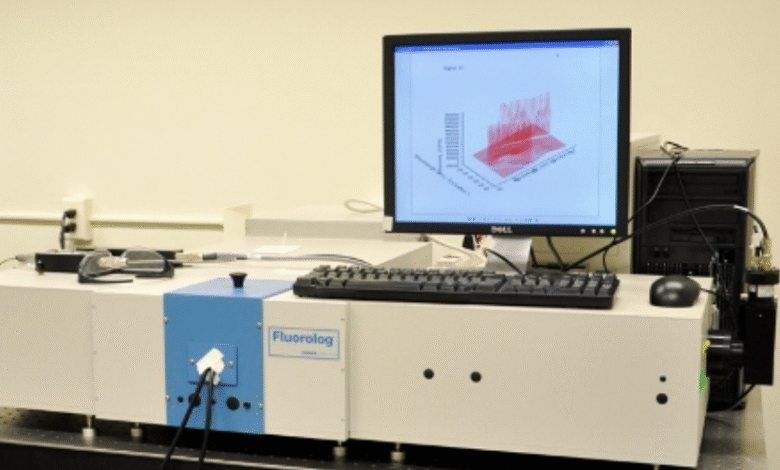
A fluorescence spectrum analyzer is an essential tool in modern laboratories, offering precise measurement and analysis of fluorescence emissions from various samples. These instruments are widely used in chemical, biological, and pharmaceutical research to study molecular interactions, concentrations, and structural characteristics.
Accurate measurements obtained from a fluorescence spectrum analyzer are critical for research reproducibility, product development, and analytical accuracy. Laboratories depend on these instruments to deliver high-quality, reliable data that informs experiments and scientific conclusions.
Principles of Operation
The operation of a fluorescence spectrum analyzer is based on the principle of fluorescence. When a molecule absorbs light at a specific excitation wavelength, it becomes excited and emits light at a longer emission wavelength. The analyzer captures this emitted light and produces a spectrum that can be used to characterize the sample.
Analyzing both excitation and emission spectra allows researchers to identify compounds, quantify concentrations, and study interactions between molecules. The high sensitivity of the fluorescence spectrum analyzer enables detection of low-abundance analytes, which is critical in analytical and research applications.
See also: Transforming Industrial Operations with Efficient Oil Solutions
Applications in Research and Industry
Fluorescence spectrum analyzers have diverse applications across scientific disciplines. In biochemistry, they are used to study proteins, nucleic acids, and enzyme kinetics. Environmental laboratories utilize them to detect pollutants and analyze water or soil samples. Pharmaceutical research relies on these instruments for drug discovery, formulation testing, and quality control.
Clinical laboratories also benefit from fluorescence spectrum analyzer using them to detect biomarkers, monitor disease progression, and analyze diagnostic samples. Their versatility makes them indispensable for laboratories requiring high sensitivity and accurate detection.
Key Features to Consider
Selecting a suitable fluorescence spectrum analyzer depends on several important factors. Sensitivity, wavelength range, spectral resolution, and signal-to-noise ratio are critical performance metrics. Advanced instruments offer multiple excitation and emission channels, automated sample handling, and integrated software for data acquisition and analysis.
Durability, reliable optical components, and ease of maintenance are essential for continuous laboratory operation. Choosing an analyzer from a trusted supplier ensures access to high-quality instruments, technical support, and long-term maintenance services.
Maintenance and Calibration
Regular maintenance is vital to ensure the performance and longevity of a fluorescence spectrum analyzer. Calibration with standard reference materials ensures accurate measurements and reproducibility. Routine cleaning, alignment of optical components, and software updates maintain reliable operation.
Suppliers often provide maintenance agreements and technical support to assist laboratories in keeping their analyzers in optimal condition. Proper training of staff on handling, operation, and preventive maintenance is essential for reliable results.
Advancements in Fluorescence Spectrum Analysis
Modern fluorescence spectrum analyzers incorporate technological advancements to enhance measurement accuracy and usability. Features such as time-resolved fluorescence, multi-channel detection, and automated sample processing allow researchers to conduct high-throughput analyses efficiently.
These innovations enable the study of dynamic processes, molecular interactions, and structural changes with high precision. Advanced analyzers expand experimental possibilities and improve reproducibility, making them valuable for cutting-edge research.
Comparing Fluorescence Spectrum Analyzers with Other Techniques
Fluorescence spectrum analyzers offer high sensitivity and specificity, complementing other analytical methods like UV-visible spectroscopy, mass spectrometry, and chromatography. While these techniques provide additional molecular information, the analyzer excels in detecting low-concentration compounds and monitoring real-time molecular changes.
Combining fluorescence spectrum analysis with other techniques enhances overall laboratory capabilities, providing comprehensive insights into sample composition, molecular behavior, and reaction dynamics.
Supplier Reputation and Support Services
The choice of a supplier is critical when acquiring a fluorescence spectrum analyzer. Established suppliers with proven track records, industry certifications, and positive client feedback are more likely to provide reliable instruments.
Technical support, calibration services, and maintenance assistance are essential for long-term instrument performance. Trusted suppliers also offer staff training and guidance to ensure accurate operation and optimal results.
Cost Considerations and Long-Term Value
While the initial investment for a fluorescence spectrum analyzer may be significant, considering the long-term value is crucial. High-quality instruments provide consistent performance, durability, and reduced operational costs.
Suppliers may offer service contracts, consumable replacement plans, and flexible purchasing options. Evaluating the total cost of ownership—including maintenance, energy usage, and consumables—ensures a wise investment for laboratories seeking reliable analytical solutions.
Sustainability and Laboratory Efficiency
Modern fluorescence spectrum analyzers are designed to reduce energy consumption and minimize waste. Efficient light sources, automated processes, and low-consumption components support environmentally responsible laboratory practices.
Energy-efficient and low-maintenance instruments not only promote sustainability but also improve laboratory workflow, reduce downtime, and enhance overall productivity.
Conclusion
A fluorescence spectrum analyzer is a vital instrument for laboratories requiring sensitive and accurate measurement of fluorescence emissions. Understanding its principles, applications, key features, maintenance requirements, and technological advancements helps researchers select the right instrument for their needs.
Investing in a high-quality fluorescence spectrum analyzer ensures accurate data, reproducible results, and long-term operational efficiency. Partnering with a reputable supplier guarantees technical support, calibration services, and access to innovative technologies, enabling laboratories to perform precise and reliable research.