An electric skylight window is one of the most innovative advancements in modern roof glazing, combining natural daylight, automated ventilation, and smart home integration into a single system. As contemporary architecture continues to prioritise comfort, energy efficiency, and convenience, electric skylights have become increasingly popular in both residential and commercial buildings across the UK.
This guide explores everything you need to know about choosing and using an electric skylight window, including how it works, its benefits, design options, installation considerations, and real-world applications. Whether you are renovating a home or designing a new build, understanding this technology can help you create brighter, healthier, and more efficient spaces.
What Is an Electric Skylight Window?
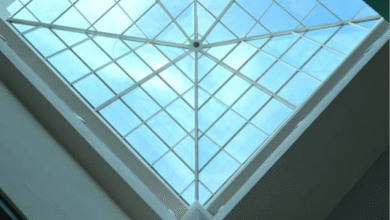
An electric skylight window is a motorised roof window that can be opened and closed using a remote control, wall switch, or smart home system. It is installed in a flat or pitched roof and is designed to provide both natural light and ventilation without requiring manual operation.
Unlike fixed rooflights, an electric skylight window includes an integrated motor system that controls the opening mechanism. Many modern versions also include rain sensors, which automatically close the window when bad weather is detected.
A typical system includes:
- Double or triple-glazed insulated glass
- Thermally broken aluminium frame
- Electric motor and control unit
- Rain and temperature sensors (optional)
- High-performance weather seals
- Insulated kerb or upstand
These components work together to ensure comfort, energy efficiency, and ease of use.
Why Electric Skylight Windows Are Growing in Popularity
The demand for electric skylight window systems has increased significantly in recent years due to changing lifestyle preferences and advancements in building technology.
1. Smart Home Integration
Modern homes are increasingly adopting smart technology. An electric skylight window can be connected to home automation systems, allowing users to control ventilation and daylight settings remotely via smartphone apps or voice assistants.
For example, a homeowner can open skylights before arriving home to cool down a warm kitchen or close them automatically when rain is detected.
2. Improved Comfort and Convenience
Manual skylights can be difficult to access, especially in high ceilings or hard-to-reach areas. Electric operation eliminates this issue, making it easier to adjust airflow and lighting throughout the day.
This is particularly beneficial in:
- Loft conversions
- Stairwells
- Double-height living spaces
3. Energy Efficiency Benefits
An electric skylight window contributes to energy efficiency by improving natural ventilation and reducing reliance on artificial cooling systems.
During warmer months, hot air can be released through the roof, reducing indoor temperatures naturally. In winter, tight seals ensure heat retention when the window is closed.
4. Enhanced Indoor Air Quality
Ventilation plays a key role in maintaining healthy indoor environments. Electric skylights allow stale air, moisture, and pollutants to escape, improving overall air quality.
This is especially important in kitchens and bathrooms where humidity levels are higher.
Key Benefits of an Electric Skylight Window
Choosing an electric skylight window offers a wide range of practical and aesthetic benefits.
Automated Ventilation
One of the most significant advantages is automatic airflow control. With programmable settings or sensor-based operation, skylights can open and close based on temperature or humidity levels.
For example, in a modern kitchen extension, the skylight can automatically open during cooking to remove steam and odours.
Natural Light Optimisation
Electric skylights maximise natural daylight, reducing the need for artificial lighting during the day. This creates brighter, more inviting spaces while lowering electricity consumption.
Rain Protection Technology
Many electric skylight window systems include built-in rain sensors. These sensors detect moisture and automatically close the window, protecting interiors from unexpected weather conditions.
Increased Property Value
Homes equipped with modern skylight systems are often more attractive to buyers. The combination of natural light, smart functionality, and energy efficiency adds significant value to a property.
Accessibility and Ease of Use
Electric operation makes skylights accessible for everyone, including elderly users or those with mobility limitations. There is no need for manual cranks or ladders.
Types of Electric Skylight Window Systems
There are several different types of electric skylight window products available, each designed for specific applications.
Fixed-to-Opening Electric Skylights
Some systems offer both fixed and opening functionality. This allows homeowners to switch between full daylight mode and ventilation mode when needed.
Top-Hung Electric Skylights
These windows open outward from the top and are ideal for maximum ventilation. They are commonly used in kitchens and open-plan living areas.
Centre-Pivot Electric Skylights
Centre-pivot designs rotate around a central axis, providing balanced airflow and easier cleaning access from inside the building.
Modular Electric Skylight Systems
For larger projects, multiple electric skylight windows can be installed together to create a continuous glazed roof section. This is often seen in commercial buildings and luxury residential extensions.
Design Considerations for Electric Skylight Windows
When planning an electric skylight window installation, several design factors should be considered to achieve optimal performance.
Size and Placement
Correct sizing is essential for achieving balanced daylight distribution. Larger rooms may require multiple skylights, while smaller spaces benefit from strategically placed single units.
For example, in a long kitchen extension, evenly spaced skylights can eliminate dark areas and create a consistent lighting effect.
Glass Specification
Different glazing options can enhance performance:
- Solar control glass reduces overheating
- Low-emissivity glass improves insulation
- Acoustic glass reduces external noise
- Self-cleaning glass reduces maintenance
Frame Design
Slim aluminium frames are commonly used to maximise glass area and create a modern aesthetic. This also improves daylight penetration.
Orientation
South-facing skylights may require solar control coatings to prevent overheating, while north-facing installations provide softer, more consistent light.
See also: Top 5 Reasons to Buy a Manufactured Home
Installation of Electric Skylight Windows
Proper installation is essential for ensuring long-term performance and safety.
Structural Requirements
Before installation, the roof structure must be assessed to confirm it can support the weight of the electric skylight window. Reinforcements may be necessary in some cases.
Waterproofing and Sealing
A properly designed upstand system ensures the skylight is fully sealed against rainwater. This is critical in the UK climate, where heavy rainfall is common.
Electrical Integration
Electric skylights require wiring for motor operation. This should be completed by a qualified electrician to ensure compliance with safety regulations.
Professional Installation
Due to the technical nature of the system, installation should always be carried out by experienced professionals who understand both roofing and electrical requirements.
Practical Example: Smart Kitchen Extension
A real-world example highlights the impact of an electric skylight window in residential design.
A homeowner renovating a semi-detached property wanted to create a bright, open-plan kitchen with modern functionality. The space previously suffered from poor ventilation and limited natural light.
The solution involved installing multiple electric skylight windows above the cooking and dining areas. These were connected to a smart home system with automated sensors.
The results included:
- Significant improvement in natural light
- Automatic ventilation during cooking
- Reduced humidity and odours
- Enhanced modern aesthetic
This demonstrates how electric skylights can transform everyday living spaces.
Energy Efficiency and Environmental Benefits
An electric skylight window contributes to sustainable building design in several ways.
Reduced Energy Consumption
By maximising natural daylight, electric skylights reduce the need for artificial lighting during daytime hours.
Natural Cooling Effect
Hot air rises naturally. By opening skylights automatically, warm air is expelled, reducing the need for mechanical cooling systems.
Improved Insulation
When closed, high-performance glazing helps retain heat, improving winter energy efficiency.
Compliance with Building Standards
Modern electric skylight window systems are designed to meet UK building regulations, particularly those relating to thermal performance and energy efficiency.
Maintenance and Durability
Electric skylight windows are designed for durability and require minimal maintenance.
Typical maintenance tasks include:
- Cleaning glass surfaces
- Checking seals and drainage channels
- Testing motor operation periodically
- Inspecting electrical connections
Many systems also include self-cleaning glass, which reduces the need for frequent manual cleaning.
With proper care, an electric skylight window can provide reliable performance for many years.
Common Applications of Electric Skylight Windows
Electric skylights are highly versatile and can be used in a wide range of building types.
Residential Homes
Ideal for kitchens, living rooms, loft conversions, and bathrooms where natural light and ventilation are important.
Commercial Buildings
Offices, restaurants, and retail spaces use electric skylights to improve indoor environments and enhance customer experience.
Educational Facilities
Schools and universities benefit from improved daylighting and ventilation, which can support better learning conditions.
Hospitality Sector
Hotels and leisure buildings use electric skylight window systems to create comfortable, visually appealing environments.
Industry Trends and Innovations
The electric skylight industry continues to evolve with new technologies and design improvements.
Smart Automation
Integration with AI-driven building systems allows skylights to adjust automatically based on occupancy, weather, and time of day.
Solar-Powered Operation
Some systems now include solar-powered motors, reducing reliance on electrical wiring.
Improved Thermal Performance
Advances in glazing technology are improving insulation values while maintaining high levels of light transmission.
Noise Reduction Technology
New acoustic glazing solutions are helping reduce external noise in urban environments.
Choosing the Right Electric Skylight Window
Selecting the right system requires careful consideration of several factors.
Key points to evaluate include:
- Energy efficiency ratings
- Control system compatibility
- Glass performance options
- Warranty and product lifespan
- Installation support
Working with a reputable supplier ensures you receive a high-quality product that meets both functional and design requirements.
Conclusion
An electric skylight window is a powerful addition to any modern building, offering a combination of natural light, automated ventilation, energy efficiency, and smart home integration. Its ability to improve comfort, enhance aesthetics, and support sustainable design makes it a valuable investment for residential and commercial projects alike. Whether used in a kitchen extension, loft conversion, or office space, electric skylights deliver both practical and visual benefits that significantly enhance the built environment. If you are planning a project and want expert guidance on selecting the right solution for your space, contact us