As people age, their homes should evolve to support changing mobility, safety, and comfort needs. One of the most important areas to address is the bathroom, which can present daily challenges due to slippery surfaces, limited accessibility, and traditional layouts that are not designed for aging users. This is where bathroom conversions for elderly individuals become essential.
A well-planned bathroom conversion can significantly improve quality of life by reducing risks, enhancing independence, and creating a more user-friendly environment. Whether for seniors who wish to age in place or for families caring for elderly loved ones, investing in thoughtful bathroom design is both a practical and meaningful decision.
This guide provides a detailed overview of bathroom conversions for elderly users, including key features, planning considerations, practical examples, industry insights, and the benefits of making these important modifications.
Understanding the Need for Bathroom Conversions for Elderly
Bathrooms are one of the most hazardous areas in any home, particularly for older adults. Slippery floors, high bathtubs, and limited support structures can increase the risk of falls and injuries.
Bathroom conversions for elderly individuals focus on minimizing these risks while improving usability. These conversions are not just about safety. They also aim to create a comfortable and dignified space where seniors can maintain independence.
As mobility decreases with age, everyday tasks such as stepping into a bathtub or bending to access storage can become difficult. A properly designed bathroom conversion addresses these challenges through accessible layouts and supportive features.
Key Features of Bathroom Conversions for Elderly
Walk-In Showers
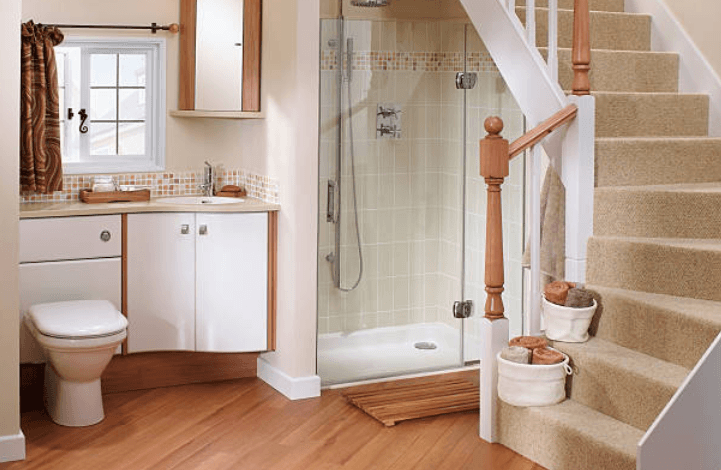
One of the most common upgrades in bathroom conversions for elderly users is the installation of walk-in showers. These showers eliminate the need to step over a high tub edge, reducing the risk of falls.
Walk-in showers often include non-slip flooring, built-in seating, and handheld showerheads for added convenience.
Grab Bars and Support Rails
Grab bars provide stability and support when entering or exiting the shower or using the toilet. They are strategically placed to assist with balance and movement.
Modern designs ensure that grab bars blend seamlessly with the overall bathroom aesthetic while maintaining functionality.
Non-Slip Flooring
Slippery surfaces are a major hazard in bathrooms. Bathroom conversions for elderly individuals typically include slip-resistant flooring materials such as textured tiles or vinyl.
These materials improve traction and reduce the likelihood of accidents.
Raised Toilets
Raised or comfort-height toilets make it easier for seniors to sit down and stand up. This small adjustment can significantly improve daily comfort and reduce strain on joints.
Wider Doorways
For individuals who use mobility aids such as walkers or wheelchairs, wider doorways are essential. Bathroom conversions often include modifications to improve accessibility and ease of movement.
Improved Lighting
Good lighting is critical for safety. Bright, well-placed lighting reduces the risk of trips and falls. Motion-sensor lighting is also becoming popular in bathroom conversions for elderly users.
Planning a Bathroom Conversion
Assessing Individual Needs
Every individual has unique requirements. Some may need minor modifications, while others require more extensive changes. Understanding specific needs is the first step in planning effective bathroom conversions for elderly users.
Setting a Budget
Costs can vary depending on the scope of the project. Basic upgrades such as grab bars and non-slip flooring are more affordable, while full conversions involving layout changes require a larger investment.
Hiring Professionals
Working with experienced contractors ensures that bathroom conversions for elderly individuals meet safety standards and building codes. Professionals can also recommend the best materials and layouts.
Future-Proofing the Design
It is important to consider future needs when planning a conversion. Features that may not be necessary now could become essential later. Designing with long-term usability in mind ensures lasting value.
Practical Example: Transforming a Traditional Bathroom
Consider an elderly homeowner living in a house with a traditional bathroom that includes a bathtub, narrow entry, and limited lighting. Daily use has become challenging and potentially unsafe.
During bathroom conversions for elderly needs, the bathtub is replaced with a walk-in shower featuring a low threshold. Grab bars are installed near the shower and toilet. The flooring is upgraded to a slip-resistant material.
The doorway is widened to accommodate mobility aids, and additional lighting is installed to improve visibility. A raised toilet and a vanity with easy-to-reach storage complete the transformation.
This conversion not only improves safety but also allows the homeowner to maintain independence and confidence in daily routines.
Industry Insights on Bathroom Conversions for Elderly
The demand for accessible home modifications is increasing as populations age. Industry professionals note that bathroom conversions for elderly individuals are among the most requested home improvement projects.
Universal design principles are becoming more common. These designs focus on creating spaces that are accessible to people of all ages and abilities without sacrificing style.
Technology is also playing a role. Features such as smart showers, temperature controls, and voice-activated lighting are being integrated into modern bathroom conversions.
Additionally, there is a growing emphasis on combining safety with aesthetics. Homeowners no longer want clinical-looking spaces. Instead, they seek designs that are both functional and visually appealing.
Benefits of Bathroom Conversions for Elderly
Enhanced Safety
The primary benefit of bathroom conversions for elderly individuals is improved safety. Features such as grab bars and non-slip flooring reduce the risk of accidents.
Increased Independence
Accessible bathrooms allow seniors to perform daily tasks without assistance. This promotes confidence and a sense of independence.
Improved Comfort
Ergonomic designs and user-friendly features make the bathroom more comfortable to use. This is especially important for individuals with mobility or health challenges.
Higher Property Value
Homes with accessible features are becoming more attractive to buyers. Bathroom conversions for elderly users can increase property value and market appeal.
Peace of Mind for Families
Families can feel reassured knowing that their loved ones are living in a safer environment. This reduces stress and enhances overall well-being.
See also: Top 5 Reasons to Buy a Manufactured Home
Common Challenges and Solutions
Limited Space
Small bathrooms can be difficult to modify. Creative solutions such as wall-mounted fixtures and compact designs can help maximize space.
Budget Constraints
Not all homeowners have the budget for a full conversion. Prioritizing essential features such as safety upgrades can still provide significant benefits.
Aesthetic Concerns
Some homeowners worry that accessibility features will affect the appearance of the bathroom. Modern designs address this concern by offering stylish and discreet solutions.
Installation Disruptions
Bathroom conversions can take time and may disrupt daily routines. Planning ahead and working with professionals can minimize inconvenience.
Tips for a Successful Bathroom Conversion
Start with a clear plan and prioritize safety features. Choose high-quality materials that are durable and easy to maintain.
Consult with professionals who specialize in bathroom conversions for elderly individuals. Their expertise ensures that all aspects of the project are handled correctly.
Regularly review the design to ensure it meets both current and future needs. Flexibility is key to creating a space that remains functional over time.
Maintenance and Long-Term Care
Maintaining an accessible bathroom is essential for long-term usability. Regular cleaning helps preserve non-slip surfaces and fixtures.
Inspect grab bars, flooring, and other features periodically to ensure they remain secure and effective. Address any issues promptly to prevent safety risks.
Proper ventilation is also important to prevent moisture buildup and maintain a healthy environment.
Conclusion
Bathroom conversions for elderly individuals are an essential investment in safety, comfort, and independence. By incorporating accessible features, thoughtful design, and high-quality materials, homeowners can create spaces that support aging in place while maintaining style and functionality. From walk-in showers to improved lighting and ergonomic fixtures, these conversions address the unique challenges faced by seniors and enhance overall quality of life. With careful planning and professional guidance, a well-executed bathroom conversion can provide lasting benefits for both individuals and their families. For expert assistance and tailored solutions for bathroom conversions for elderly needs, contact us