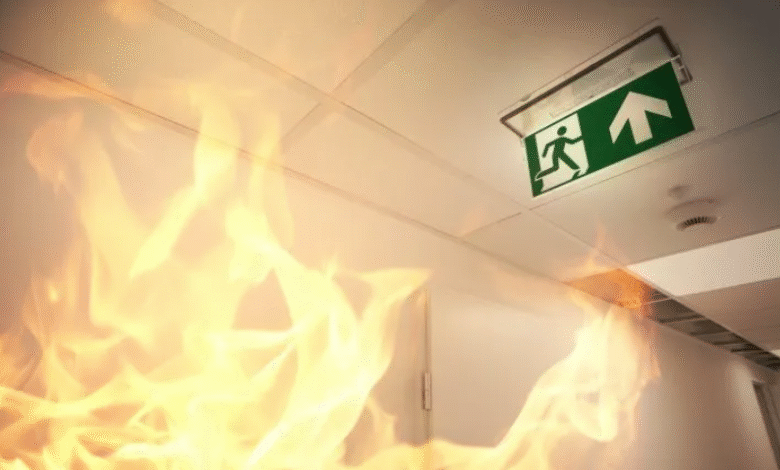
Fire incidents can happen without warning and cause severe consequences, including injuries, loss of life, and property damage. A Fire Risk Assessment is a critical process that helps organizations identify potential fire hazards, evaluate risks, and implement measures to prevent and control fire-related incidents. This assessment ensures a safe environment for employees, visitors, and assets while maintaining compliance with fire safety regulations.
What is a Fire Risk Assessment?
A Fire Risk Assessment is a systematic evaluation of a workplace, building, or facility to identify fire hazards, analyze risks, and implement appropriate control measures. The purpose of this assessment is to reduce the likelihood of fire, minimize the impact if a fire occurs, and ensure that everyone on the premises can safely evacuate in an emergency.
Importance of Fire Risk Assessment
Conducting a fire risk assessment is vital for several reasons:
- Life Safety: Protecting the lives of employees, visitors, and contractors is the foremost priority.
- Property Protection: Fires can destroy buildings, machinery, and inventory. Risk assessments help reduce potential damage.
- Legal Compliance: Many countries require organizations to conduct and maintain fire risk assessments to meet safety regulations.
- Business Continuity: Preventing fire incidents reduces operational disruptions and financial losses.
- Insurance Compliance: Fire risk assessment reports are often required to validate insurance coverage.
See also: Business: The Backbone of Economic Growth and Innovation
Steps to Conduct a Fire Risk Assessment
A proper Fire Risk Assessment follows a clear and structured process:
1. Identify Fire Hazards
The first step is to determine potential sources of fire. Common fire hazards include:
- Electrical systems and faulty wiring
- Flammable liquids, gases, and chemicals
- Combustible materials like paper, wood, and textiles
- Cooking equipment, heaters, and open flames
2. Identify People at Risk
Next, identify who might be affected if a fire occurs, such as:
- Employees and staff
- Visitors and customers
- Contractors and maintenance personnel
- Individuals with disabilities or limited mobility
3. Evaluate the Risks
Once hazards and vulnerable individuals are identified, evaluate the risk by considering:
- How likely a fire is to occur
- The severity of consequences if a fire happens
- Existing safety measures and whether additional precautions are needed
Preventive measures may include installing smoke detectors, providing fire extinguishers, maintaining clear emergency exits, and controlling the storage of flammable materials.
4. Record Findings
A written record should document:
- Identified fire hazards
- People at risk
- Control measures already in place
- Recommendations for improvement
This record serves as evidence of compliance and a reference for future reviews.
5. Review and Update Regularly
Fire risk assessments are not static. They should be reviewed and updated when:
- Changes are made to the building layout or structure
- New equipment, chemicals, or processes are introduced
- Staff numbers or roles change
- Fire safety regulations are updated
- A fire incident or near-miss occurs
Common Fire Safety Measures
After conducting a fire risk assessment, organizations should implement various safety measures, such as:
- Installing fire alarms and smoke detectors
- Using fire suppression systems like sprinklers and extinguishers
- Clearly marking and keeping emergency exits unobstructed
- Conducting regular fire drills
- Training staff on fire safety and emergency procedures
- Ensuring safe storage and handling of flammable materials
- Maintaining electrical equipment to prevent faults
Benefits of Fire Risk Assessment
A well-conducted fire risk assessment provides numerous benefits:
- Reduces the likelihood of fire outbreaks
- Protects human life and minimizes injuries
- Limits damage to property and assets
- Ensures compliance with legal and regulatory standards
- Improves emergency preparedness and response
- Promotes a culture of safety and awareness
Conclusion
A Fire Risk Assessment is a vital component of workplace and building safety. By identifying hazards, evaluating risks, and implementing preventive measures, organizations can safeguard people, property, and operations. Regular reviews, staff training, and proactive fire safety measures ensure a safe environment and demonstrate a strong commitment to safety. Fire risk assessment is not just a legal requirement; it is a responsibility that protects lives and secures the future of any organization.