Introduction to Intravenous Solutions
Intravenous therapy is an integral part of modern healthcare, allowing precise administration of fluids, medications, and nutrients directly into a patient’s bloodstream. This approach ensures rapid therapeutic effects, accurate dosing, and effective management of both routine and critical care situations. Hospitals, clinics, and home healthcare environments rely on proper equipment to deliver therapy safely and efficiently.
Importance of Reliable Equipment
The effectiveness of intravenous therapy depends on the quality of the equipment used. Faulty or substandard devices can cause dosing errors, infection, or patient discomfort. High-quality systems enhance patient safety, maintain drip set consistent fluid flow, and improve overall workflow efficiency. Properly maintained equipment allows healthcare professionals to focus on patient care while minimizing risks.
See also: Experiencing Contemporary Art in a Vibrant City
Key Components of a drip set
A drip set consists of multiple interconnected components that ensure accurate and safe delivery of fluids. Understanding the function of each part is essential for healthcare professionals.
Drip Chamber
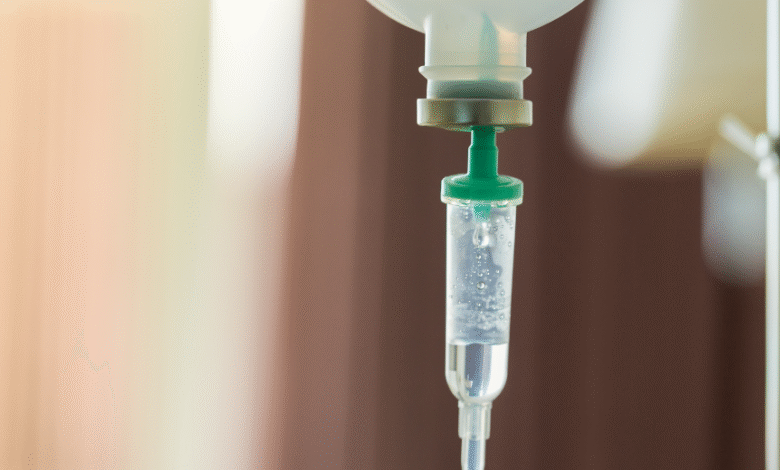
The drip chamber is a transparent element that allows visual monitoring of fluid flow. It also prevents air bubbles from entering the tubing, reducing the risk of air embolism. Proper use of the drip chamber ensures controlled administration and accurate monitoring.
Flow Regulator or Roller Clamp
The flow regulator, often implemented as a roller clamp, controls the rate at which fluids are administered. Adjusting this component ensures that patients receive the correct dosage over the required time, which is critical in both routine and intensive care scenarios.
Tubing
Tubing connects the fluid container to the patient’s intravenous access point. Tubing comes in various lengths and diameters depending on clinical needs. Properly maintained tubing ensures a smooth and continuous flow, reducing the likelihood of kinks, blockages, or contamination.
Catheter or Needle
The catheter or needle provides direct access to the patient’s vein. Catheters are often preferred for long-term therapy as they reduce tissue trauma and increase patient comfort. Correct insertion and maintenance are critical to prevent complications and ensure uninterrupted therapy.
Luer Lock Connector
The luer lock connector secures tubing to syringes or other devices, creating a leak-proof connection. This ensures precise fluid delivery while maintaining sterility throughout treatment.
Injection Port
The injection port allows additional medications to be administered without disconnecting the primary setup. This feature enhances convenience, reduces the risk of contamination, and enables multiple treatments to be delivered efficiently.
Practical Uses of a drip set
Understanding the applications of a drip set is essential for safe and effective patient care. These systems are used in a variety of clinical situations, each requiring careful monitoring and accurate fluid administration.
Fluid Replacement
Patients suffering from dehydration, blood loss, or electrolyte imbalances require fluid replacement therapy. Proper management of all drip set components ensures that fluids are delivered safely at the correct rate, supporting recovery and stabilizing the patient’s condition.
Medication Administration
Intravenous therapy allows medications to be delivered directly into the bloodstream, providing rapid therapeutic effects. This is especially important in emergency care, intensive care units, and cases where oral administration is not feasible. Correct assembly and monitoring of the drip set ensures precise dosage and patient safety.
Nutritional Support
Patients who are unable to consume food orally may receive essential nutrients intravenously. Drip sets allow controlled administration of vitamins, minerals, and other nutrients, promoting overall health and aiding recovery.
Blood Transfusion
Blood transfusions require precise monitoring and careful control. Each component of the drip set contributes to safe administration, maintaining sterility and preventing complications such as air embolisms or contamination.
Choosing the Right System
Selecting an appropriate drip set depends on the patient’s age, type of therapy, fluid volume, and clinical environment. Pediatric patients may require smaller catheters and lower-volume tubing, while adults needing rapid infusion may require larger-bore systems. Other factors include compatibility with medical devices, ease of handling, and adherence to sterility standards.
Best Practices for Handling
Even with high-quality equipment, proper handling and maintenance are critical. Healthcare providers must follow protocols for setup, monitoring, and adjusting flow rates. Regular inspection of components helps identify leaks, blockages, or disconnections, ensuring continuous therapy and minimizing risk to the patient.
Patient Comfort
Patient comfort is an important consideration in intravenous therapy. Flexible tubing, smooth connectors, and ergonomic designs reduce discomfort during treatment. Injection ports allow additional medications to be administered without repeated needle insertions, enhancing patient experience and compliance, especially for long-term therapy.
Safety and Environmental Considerations
Disposable components of a drip set reduce the risk of cross-contamination but also contribute to medical waste. Healthcare facilities are increasingly adopting environmentally responsible materials and recycling programs. Proper disposal and careful handling maintain safety while minimizing environmental impact.
Innovations in Intravenous Therapy
Modern advancements in intravenous systems focus on safety, efficiency, and patient convenience. Preassembled kits, integrated flow regulators, and smart connectors reduce human error and simplify setup. These innovations improve sterility, streamline procedures, and enhance overall patient care quality.
Conclusion
Intravenous therapy is a critical practice in contemporary healthcare, offering rapid, accurate, and effective delivery of fluids, medications, and nutrients. Understanding the components and functionality of a drip set allows healthcare providers to administer therapy safely and efficiently. From fluid replacement and medication administration to nutritional support and blood transfusions, each element plays a vital role in patient care. Proper selection, handling, and familiarity with modern innovations improve treatment outcomes and maintain high standards in medical practice.