Introduction to Modular Data Center Solution
In today’s fast-moving digital world, businesses need IT infrastructure that can grow, adapt, and perform without delays. A modular data center solution offers exactly that—an innovative approach to building data centers using pre-engineered, standardized modules. These modules are designed off-site, tested in controlled environments, and then deployed quickly where needed.
Unlike traditional data centers that require long construction timelines and heavy upfront investments, modular designs allow organizations to scale as demand grows. Whether you are a small business planning future expansion or a large enterprise modernizing legacy systems, a modular data center solution provides flexibility, reliability, and efficiency.
As cloud computing, edge computing, and data-heavy applications expand, modular data centers are becoming a preferred choice across industries.
What Is a Modular Data Center Solution?
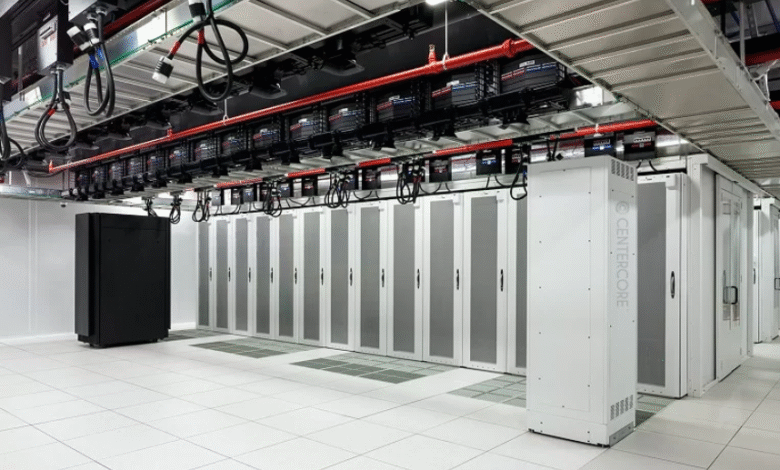
A modular data center solution is a portable, scalable, and prefabricated system that includes IT equipment, power, cooling, networking, and management components. These modules can be deployed individually or combined to form a complete data center.
Core Characteristics
- Pre-fabricated and factory-tested
- Rapid deployment
- Scalable architecture
- Standardized design
- Energy-efficient systems
Key Components
| Component | Description |
|---|---|
| IT Modules | Servers, storage, and networking hardware |
| Power Modules | UPS, generators, and power distribution |
| Cooling Modules | Precision cooling and airflow systems |
| Management Software | Monitoring, automation, and security |
| Physical Enclosures | Containers or prefabricated buildings |
How Modular Data Centers Work
The modular approach breaks a data center into manageable units. Each module is built to industry standards and designed to integrate seamlessly with others.
Step-by-Step Process
- Design & Planning – Capacity and performance needs are identified
- Factory Fabrication – Modules are built and tested off-site
- Transportation – Units are shipped to the deployment location
- On-Site Installation – Modules are connected and activated
- Expansion – Additional modules are added as demand grows
This process significantly reduces deployment time compared to traditional builds.
See also: Crispy, Healthy, and Effortless: Finding the Best Air Fryer in India
Types of Modular Data Center Solutions
Containerized Modular Data Centers
Housed in shipping containers, these are ideal for fast deployment, remote locations, and temporary needs.
Prefabricated Modular Data Centers
Built as individual components (power, cooling, IT) and assembled on-site, offering more customization.
All-in-One Modular Systems
Fully integrated systems with power, cooling, and IT in one enclosure.
Edge Modular Data Centers
Designed for low-latency processing near data sources such as IoT devices and 5G networks.
Key Benefits of a Modular Data Center Solution
1. Faster Deployment
Traditional data centers can take years to build. Modular solutions can be deployed in weeks or even days.
2. Scalability on Demand
Add capacity only when needed, reducing wasted space and resources.
3. Cost Efficiency
Lower upfront costs, predictable budgeting, and reduced construction expenses.
4. Energy Efficiency
Optimized cooling and power usage improves PUE (Power Usage Effectiveness).
5. Improved Reliability
Factory testing reduces on-site errors and improves overall uptime.
Use Cases Across Industries
Enterprise IT
Large organizations use modular systems to modernize legacy infrastructure.
Cloud Service Providers
Rapid scaling helps meet fluctuating customer demand.
Telecommunications
Supports 5G rollouts and edge computing deployments.
Healthcare
Ensures data availability for electronic medical records and diagnostics.
Government & Defense
Secure, portable, and resilient infrastructure for critical operations.
Modular vs Traditional Data Centers
| Feature | Modular Data Center | Traditional Data Center |
|---|---|---|
| Deployment Time | Weeks | Months or years |
| Scalability | High | Limited |
| Initial Cost | Lower | Very high |
| Flexibility | Excellent | Low |
| Energy Efficiency | High | Moderate |
Security and Compliance Considerations
A modern modular data center solution includes:
- Physical security controls
- Fire suppression systems
- Compliance with ISO, SOC, and Tier standards
- Remote monitoring and access controls
These features ensure enterprise-grade protection for sensitive data.
Sustainability and Environmental Impact
Modular data centers support sustainability goals by:
- Reducing construction waste
- Improving energy efficiency
- Supporting renewable energy integration
- Enabling right-sized deployments
According to the U.S. Department of Energy, energy-efficient data centers can reduce power consumption by up to 40%.
(Source: https://www.energy.gov)
Challenges and Limitations
While modular solutions offer many benefits, challenges may include:
- Limited customization in smaller units
- Transportation logistics
- Site preparation requirements
- Initial planning complexity
However, these challenges are often outweighed by long-term gains.
Future Trends in Modular Data Center Solutions
- AI-driven infrastructure management
- Integration with renewable energy sources
- Growth of edge and micro data centers
- Increased use of liquid cooling
- Standardization across global deployments
The market for modular data centers is expected to grow rapidly as digital transformation accelerates.
Frequently Asked Questions (FAQs)
1. What is a modular data center solution used for?
It is used to provide scalable, efficient, and quickly deployable IT infrastructure for data processing and storage.
2. Is a modular data center solution secure?
Yes, it includes enterprise-grade physical and cyber security measures.
3. How long does deployment take?
Deployment can take a few weeks, depending on size and location.
4. Can modular data centers support cloud workloads?
Absolutely. They are widely used by cloud and colocation providers.
5. Are modular data centers energy-efficient?
Yes, they are designed with optimized cooling and power systems.
6. Is a modular data center solution suitable for small businesses?
Yes, its scalability makes it ideal for businesses of all sizes.
Conclusion
A modular data center solution represents a smart, future-ready approach to IT infrastructure. By combining speed, scalability, cost control, and efficiency, it empowers organizations to adapt quickly in an increasingly data-driven world. Whether supporting cloud expansion, edge computing, or digital transformation, modular data centers are no longer an alternative—they are the future.
Businesses that invest in modular solutions today position themselves for long-term growth, resilience, and sustainability.