Introduction to Stress Treatment
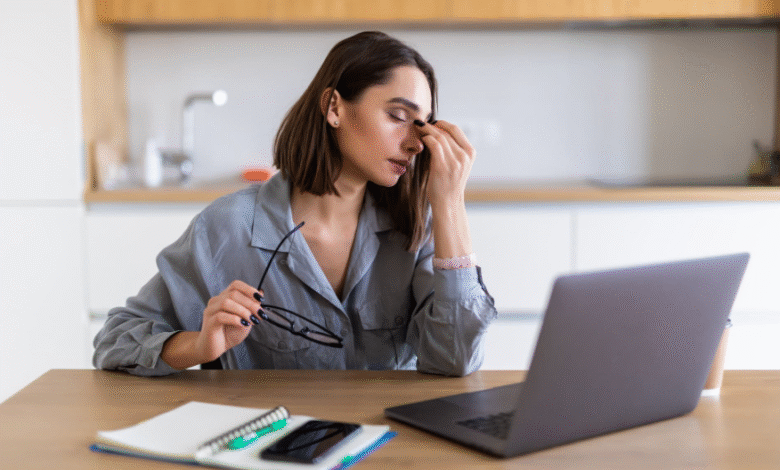
In modern life, stress has become a prevalent issue affecting people of all ages. Chronic stress can impact both physical and mental health, leading to conditions such as high blood pressure, anxiety, and sleep disorders. Stress treatment focuses on identifying the causes of stress and implementing strategies to manage and reduce its effects. By understanding stress treatment options, individuals can improve overall well-being and enhance their quality of life.
Common Causes of Stress
Understanding the root causes of stress is essential for effective treatment. Stress can arise from various sources, including:
- Work-Related Pressure: Tight deadlines, high expectations, and long hours often contribute to work stress.
- Financial Challenges: Managing expenses and debts can create ongoing anxiety.
- Personal Relationships: Conflicts or misunderstandings with family, friends, or partners can trigger stress.
- Health Concerns: Chronic illness or concern about personal or family health may increase stress levels.
- Environmental Factors: Noise, overcrowding, and urban living conditions can also affect stress.
Psychological Approaches to Stress Treatment
Stress treatment often begins with psychological strategies aimed at changing the way individuals perceive and respond to stressors. Some effective techniques include:
- Cognitive Behavioral Therapy (CBT): Helps individuals identify negative thought patterns and develop healthier coping strategies.
- Mindfulness-Based Stress Reduction (MBSR): Encourages awareness of the present moment to reduce anxiety and emotional strain.
- Relaxation Training: Includes techniques such as guided imagery and progressive muscle relaxation to calm the mind and body.
- Counseling and Psychotherapy: Working with a professional allows individuals to explore stress triggers and find practical solutions.
Physical Approaches to Stress Treatment
Physical activities play a key role in managing stress. Regular exercise releases endorphins, which improve mood and reduce tension. Some common physical approaches include:
- Aerobic Exercise: Activities such as walking, running, or cycling help relieve stress and improve cardiovascular health.
- Yoga and Stretching: These practices combine movement with mindfulness, promoting both mental and physical relaxation.
- Breathing Exercises: Techniques such as deep diaphragmatic breathing reduce heart rate and calm the nervous system.
- Massage and Bodywork: Physical therapies help release muscular tension and improve overall well-being.
See also: Crispy, Healthy, and Effortless: Finding the Best Air Fryer in India
Lifestyle Modifications for Stress Treatment
Implementing lifestyle changes is an important component of stress treatment. Adjustments in daily habits can enhance resilience and reduce stress levels. Key recommendations include:
- Balanced Diet: Consuming nutritious meals supports overall health and reduces fatigue caused by stress.
- Adequate Sleep: Prioritizing sleep helps the body and mind recover from daily pressures.
- Time Management: Organizing tasks and setting realistic goals reduces feelings of overwhelm.
- Hobbies and Leisure Activities: Engaging in enjoyable activities helps distract from stressors and improves mood.
- Social Support: Maintaining connections with friends and family provides emotional reassurance and practical help.
Alternative Approaches to Stress Treatment
In addition to conventional methods, alternative stress treatment approaches can complement stress treatment. These may include:
- Acupuncture: Can help relieve tension and promote relaxation.
- Aromatherapy: Using essential oils like lavender or chamomile may reduce stress and improve mood.
- Meditation Retreats: Immersive experiences focused on mindfulness and relaxation can have long-lasting benefits.
- Music and Art Therapy: Creative expression provides a healthy outlet for emotions and can reduce stress levels.
When to Seek Professional Help
While self-care strategies are effective for mild stress, professional intervention may be necessary for chronic or severe stress. Consulting a psychologist, counselor, or stress management specialist ensures structured support and access to evidence-based stress treatment. Professional help is particularly important when stress affects daily functioning, sleep patterns, or relationships.
Measuring the Effectiveness of Stress Treatment
Monitoring progress is essential to ensure that stress treatment strategies are working. Indicators of successful treatment include improved mood, better sleep, reduced anxiety, increased energy levels, and enhanced focus. Regular assessment allows individuals to adjust techniques and maintain long-term benefits.
Conclusion
Stress treatment encompasses a combination of psychological, physical, and lifestyle strategies designed to reduce the negative impact of stress. Effective approaches include therapy, exercise, mindfulness, relaxation techniques, and lifestyle modifications. By integrating these methods, individuals can manage stress effectively, improve mental and physical health, and enhance overall quality of life. Seeking professional guidance when necessary ensures that stress treatment is tailored, structured, and results in sustainable well-being.