In modern infrastructure, maintaining proper air circulation is critical for health, safety, and operational efficiency. One of the most important components that support this objective is ventilation blowers. These devices play a key role in moving air through buildings, industrial facilities, marine environments, and confined spaces. From improving indoor air quality to preventing hazardous gas accumulation, ventilation blowers are indispensable across a wide range of applications.
This article explores the functionality, types, applications, and maintenance of ventilation blowers. It also highlights industry insights and explains why hiring a professional facility management company is essential for maximizing performance and longevity.
What Are Ventilation Blowers
Ventilation blowers are mechanical devices designed to move air or gases from one location to another. They are commonly used in ventilation systems to ensure continuous airflow, remove contaminants, and regulate temperature and humidity.
Unlike standard fans, ventilation blowers are engineered to provide higher pressure and more controlled airflow. This makes them suitable for demanding environments where precision and reliability are crucial.
Core Functions
Ventilation blowers serve several important purposes:
- Circulating fresh air into enclosed spaces
- Removing stale air, fumes, and pollutants
- Controlling temperature and humidity
- Supporting combustion processes in industrial settings
- Enhancing overall air quality and safety
Types of Ventilation Blowers
Different applications require different types of ventilation blowers. Understanding these variations helps in selecting the right equipment.
Centrifugal Blowers
Centrifugal ventilation blowers use a rotating impeller to increase air pressure. They are widely used in industrial and commercial applications due to their efficiency and ability to handle high pressure systems.
Axial Blowers
Axial blowers move air parallel to the axis of the fan. They are ideal for applications requiring high airflow at lower pressure, such as general ventilation and cooling.
Inline Blowers
Inline ventilation blowers are installed within duct systems. They are compact and suitable for residential and light commercial use.
High Pressure Blowers
These blowers are designed for specialized applications where strong airflow is required, such as in manufacturing plants and chemical processing facilities.
Explosion Proof Blowers
Used in hazardous environments, these ventilation blowers are built to prevent ignition of flammable gases or vapors.
Key Components of Ventilation Blowers
A typical ventilation blower consists of several components that work together to deliver efficient airflow.
Impeller
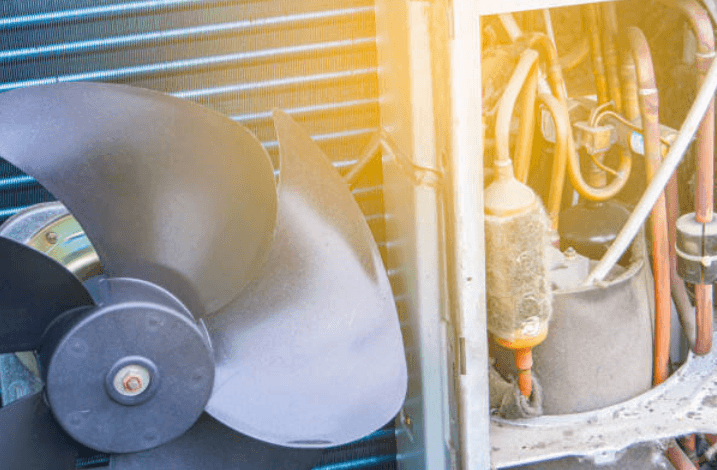
The impeller is the rotating part that moves air. Its design directly affects airflow and pressure.
Motor
The motor powers the blower and determines its performance capacity.
Housing
The housing encloses the components and directs airflow. It also provides protection against environmental factors.
Filters
Filters remove dust and contaminants, ensuring clean air output and protecting internal components.
Control Systems
Modern ventilation blowers include control systems that allow for speed adjustment and automated operation.
Applications of Ventilation Blowers
Ventilation blowers are used across various industries and environments.
Industrial Facilities
In manufacturing plants, ventilation blowers remove harmful fumes, dust, and heat. This ensures worker safety and compliance with regulations.
Commercial Buildings
Office buildings, shopping centers, and hotels rely on ventilation blowers to maintain comfortable indoor environments.
Marine Applications
Ventilation blowers are essential for engine rooms and enclosed spaces on vessels, preventing the buildup of hazardous gases.
Healthcare Facilities
Hospitals use ventilation blowers to maintain sterile environments and control the spread of airborne contaminants.
Residential Use
In homes, ventilation blowers improve air circulation in kitchens, bathrooms, and basements.
Importance of Ventilation Blowers
The significance of ventilation blowers extends beyond simple air movement.
Health and Safety
Proper ventilation reduces exposure to harmful substances, improving overall health and safety.
Energy Efficiency
Efficient ventilation systems reduce energy consumption by optimizing airflow and temperature control.
Equipment Protection
Ventilation blowers help prevent overheating and extend the lifespan of equipment.
Regulatory Compliance
Many industries require proper ventilation to meet safety and environmental standards.
Common Challenges with Ventilation Blowers
Despite their benefits, ventilation blowers can face several challenges.
Wear and Tear
Continuous operation can lead to mechanical wear, affecting performance over time.
Dust and Debris Accumulation
Accumulated particles can reduce efficiency and cause damage to internal components.
Noise Levels
Improper installation or maintenance can result in excessive noise, impacting comfort and productivity.
Energy Consumption
Inefficient systems may consume more energy, increasing operational costs.
See also: How to Choose the Best Dog Grooming Near Me Without Regret
Maintenance Best Practices
Regular maintenance is essential for ensuring the reliability of ventilation blowers.
Routine Inspections
Inspect components for signs of wear, damage, or misalignment.
Cleaning
Remove dust and debris from filters, impellers, and housing to maintain efficiency.
Lubrication
Proper lubrication of moving parts reduces friction and extends lifespan.
Performance Monitoring
Monitor airflow, pressure, and energy consumption to detect potential issues early.
Timely Repairs and Replacement
Address problems promptly to prevent further damage and costly downtime.
Industry Insights and Trends
The ventilation industry is evolving with advancements in technology and increasing focus on sustainability.
Smart Ventilation Systems
Modern ventilation blowers are integrated with smart systems that allow remote monitoring and control.
Energy Efficient Designs
Manufacturers are developing blowers that consume less energy while delivering higher performance.
Noise Reduction Technologies
Advanced designs and materials are being used to minimize noise levels.
Sustainable Solutions
There is a growing emphasis on eco friendly materials and energy efficient systems.
Practical Example: Manufacturing Plant
In a manufacturing facility, ventilation blowers are used to remove heat and fumes generated by machinery. Without proper ventilation, workers may be exposed to harmful conditions, and equipment may overheat.
By installing high efficiency ventilation blowers and implementing regular maintenance, the facility can improve safety, reduce downtime, and enhance productivity.
Practical Example: Underground Parking Garage
In enclosed parking spaces, ventilation blowers are essential for removing vehicle exhaust fumes. A well maintained system ensures that carbon monoxide levels remain within safe limits, protecting both occupants and visitors.
Benefits of Hiring a Facility Management Company
Managing ventilation blowers requires expertise, resources, and consistent monitoring. Facility management companies provide comprehensive solutions to ensure optimal performance.
Technical Expertise
Professionals have in depth knowledge of ventilation systems and can handle complex installations and repairs.
Preventive Maintenance Programs
Scheduled maintenance helps prevent breakdowns and extends the lifespan of ventilation blowers.
Cost Savings
Efficient operation reduces energy consumption and minimizes repair costs.
Regulatory Compliance
Facility management companies ensure that systems meet safety and environmental standards.
Access to Advanced Tools
Professional service providers use specialized equipment for diagnostics and maintenance.
Improved System Performance
Regular monitoring and optimization enhance airflow, efficiency, and reliability.
Choosing the Right Ventilation Blowers
Selecting the appropriate ventilation blowers is crucial for achieving desired results.
Factors to Consider
- Airflow requirements
- Pressure levels
- Environmental conditions
- Noise tolerance
- Energy efficiency
Consultation with Experts
Working with professionals ensures that the right equipment is selected and installed correctly.
Environmental Impact
Ventilation blowers play a role in sustainability by improving energy efficiency and reducing emissions.
Energy Optimization
Efficient systems reduce energy consumption and lower carbon footprint.
Air Quality Improvement
Proper ventilation contributes to cleaner indoor and outdoor environments.
Sustainable Practices
Using modern, energy efficient blowers supports environmental goals.
Future Outlook
The future of ventilation blowers is driven by innovation and increasing demand for efficient systems.
Integration with Automation
Automation will enable real time adjustments and predictive maintenance.
Advanced Materials
New materials will improve durability and performance.
Increased Focus on Health
Growing awareness of air quality will drive demand for advanced ventilation solutions.
Conclusion
Ventilation blowers are essential components in maintaining safe, efficient, and comfortable environments across various industries. Their role in improving air quality, enhancing energy efficiency, and supporting regulatory compliance makes them indispensable in modern infrastructure.
By investing in high quality ventilation blowers and partnering with a professional facility management company, organizations can ensure optimal performance, reduced costs, and long term reliability. Proper maintenance and expert support are key to maximizing the benefits of these systems and achieving sustainable operations contact us