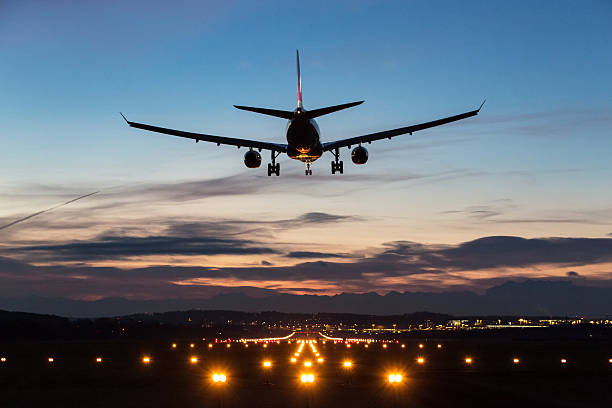
Traveling from San Francisco (SFO) to India is exciting but also quite different from typical domestic travel within the United States. This journey spans continents, time zones, cultures, and climates — and arriving prepared can make all the difference between a stressful trip and a truly memorable experience.
This guide walks you through the essentials to consider before, during, and after your long-haul flight. Whether this is your first international trip or just your first to India, these insights will help you approach the experience with confidence.
1. Understanding the Journey: What to Expect in the Air
The flight from San Francisco to India is a long-haul international journey that connects the U.S. West Coast with South Asia. Because of the significant distance between the two regions, travelers should expect many hours in the air.
While some nonstop routes may be available depending on the season and destination city, most itineraries include at least one layover in an international transit hub. These connections can add several hours to your total travel time, depending on the location and duration of the stopover.
Whether flying nonstop or with a connection, the journey typically spans multiple time zones and requires preparation for a long period of travel. Planning ahead for comfort, rest, and transit procedures can help make your trip from San Francisco to India smoother and more manageable.
Key points to know about the journey:
- The total travel duration can vary widely — direct flights may take around 15–16 hours of flying time, while one- or two-stop itineraries often take 17–22 hours or longer.
- Most itineraries involve at least one connection in a major international hub, so you’ll want to prepare for transit at a second airport.
- Long flights require planning for comfort: staying hydrated, stretching your legs periodically, and pacing your sleep and meals wherever possible.
Tips for a smoother flight experience:
- Dress in layers to adjust easily to changing cabin temperatures.
- Stay hydrated by drinking water and limiting dehydrating beverages like alcohol and caffeine.
- Get up and move around when it’s safe to do so — that helps circulation and reduces stiffness.
- Pack essentials like an eye mask, neck pillow, and basic toiletries in carry-on luggage.
2. Travel Documents and Visa Requirements
Before you even think about boarding a plane, your passport and visa must be in order. International travel requires careful attention to paperwork.
Passport essentials:
- Your passport should be valid for at least six months beyond your planned arrival date in India.
- It should also have two or more blank pages for entry and exit stamps.
Visa requirements for India:
- Most foreign visitors — including U.S. citizens — need a visa to enter India.
- Many travelers use an e-Visa system, which lets you apply online prior to departure and receive an electronic authorization.
- Tourist visas may have different validity durations and conditions concerning multiple entries.
Other important documents to carry:
- A printout of your travel itinerary and return or onward ticket information.
- Travel insurance policy details, ideally including emergency and medical coverage.
- Copies of important IDs and emergency contact information.
- Additional permits if you plan to visit regulated areas or participate in specific activities.
Always check the latest entry requirements and apply for your visa well in advance — airlines often verify visa validity before allowing you to board your flight.
3. Packing Essentials: What to Bring (and What to Leave Behind)
Packing smart is a combination of necessity, comfort, and cultural sensitivity.
Carry-On Bag Essentials
These are items you’ll want close at hand once you leave San Francisco:
- Passport, visa printouts, boarding passes, and other critical travel documents.
- Medications (with prescriptions) and basic first-aid items.
- Travel comfort items like a neck pillow, eye mask, and noise-reduction gear.
- Snacks, refillable water bottle (empty through security, refill afterward), and entertainment.
Checked Luggage Tips
- Pack season-appropriate clothing based on your itinerary region and time of year (India’s climate varies greatly by geography and season).
- Include garments suitable for modest dress when visiting religious sites.
- Bring travel adapters if your electronics require different plug types.
- Leave space for souvenirs and local items you might purchase.
4. Health, Vaccinations, and Safety Precautions
Traveling to a new country also means preparing for differences in climate, food, and health infrastructure.
Health and Vaccinations
India does not require many mandatory vaccinations for most visitors — except under specific circumstances — but having recommended vaccines up to date is a wise precaution.
Common travel-health considerations include:
- Vaccinations for illnesses like hepatitis A and B, tetanus, typhoid, and others as advised by your healthcare provider.
- Discussion with your doctor about anti-malarial precautions if you plan to visit regions with risk of mosquito-borne diseases.
- Basic preventive measures against mosquito bites and similar risks.
- Drinking bottled or purified water while traveling and being cautious with street food initially until your system adjusts.
Safety Tips
India is generally safe for international visitors, but like any travel destination, taking precautions improves your experience.
- Stay alert in crowded areas where petty theft can occur.
- Women traveling alone may face cultural differences and should research local conditions and follow personal safety practices.
- Be aware of scams and avoid unnecessary risks with strangers offering unsolicited help.
5. Culture, Etiquette, and What to Expect in India
India is a land of immense diversity — culturally, linguistically, and geographically. A little background knowledge will deepen your appreciation and make daily interactions smoother.
Cultural insights:
- Respect local customs. Modesty in dress and behavior is often appreciated, especially in religious or rural areas.
- Greetings and communication. A simple greeting like “Namaste” can go a long way.
- Footwear etiquette. Remove shoes when entering homes and many places of worship.
Regions across India differ widely — from deserts in the west to mountains in the north, tropical coasts in the south, and bustling urban centers everywhere. Taking time to learn about the areas you plan to visit will help set expectations and enrich your experience.
6. Arrival Tips and Navigating India’s Airports
You land after a long journey — but your preparation makes navigating arrival easier.
At Immigration and Customs:
- Have your passport, visa, and arrival card ready when you approach immigration counters.
- Be patient — queues can be long during peak travel times.
Communications and Connectivity:
- Having access to local mobile connectivity will help you navigate once you land. Visitors often obtain a local SIM or eSIM after landing.
- Many airports increasingly use digital travel systems (such as facial-recognition programs) to streamline check-in and security.
Transportation from the Airport:
- Plan your onward journey from the airport in advance — look into public transit, app-based rides, pre-arranged pickup, or other options suitable for your comfort level.
7. Climate and Seasonal Insights
India’s sheer size means climates vary dramatically by region and time of year. Knowing the general weather patterns helps you pack and schedule activities wisely.
- Winter (October–March): Cooler and often pleasant — ideal for sightseeing.
- Summer (March–June): Hot and dry in many areas — lightweight clothing helps.
- Monsoon (July–September): Rainy season — useful to have waterproof gear.
Also check whether your travel dates coincide with major festivals — these can enhance your experience but also influence crowds and logistics.
See also: Artificial Intelligence: Transforming Everyday Life
Final Thoughts
Traveling from San Francisco to India is an extraordinary long-haul journey that rewards planning and curiosity. As you prep your passport, pack your bag, and imagine the sights and sounds ahead, remember that preparation enhances enjoyment.
From knowing your visa is sorted to understanding customs and cultural norms, and from staying healthy to arriving with confidence — every step before your flight ensures your transition from one continent to another is smooth and satisfying.
India’s tapestry of cultures, cuisines, landscapes, and experiences is vast, welcoming, and ready to be explored — and you’re now better equipped to step into it with confidence. Safe travels!